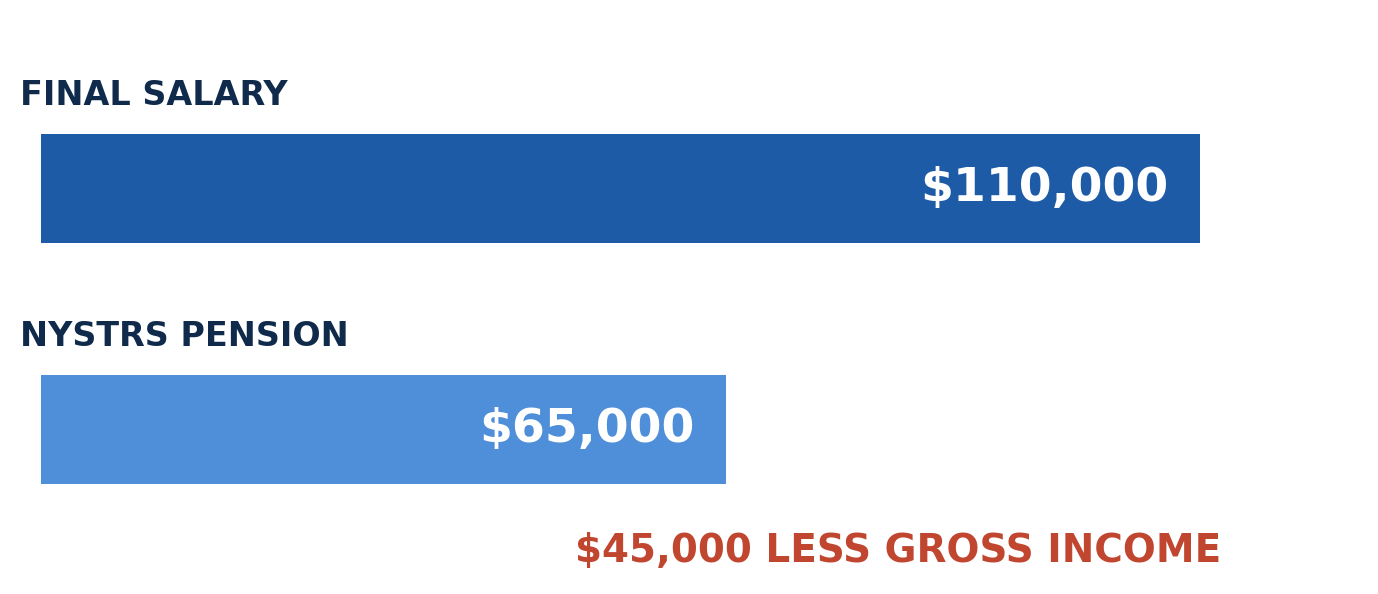
Many teachers believe their pension plus Social Security means they'll make as much or more in retirement as they did while working. It's usually not automatically true — especially in the years right after retirement. A great pension does not mean you're replacing your salary.
$65,000 is an illustrative approximate career-teacher pension, not the amount every teacher receives.
The Age 55–62 Gap
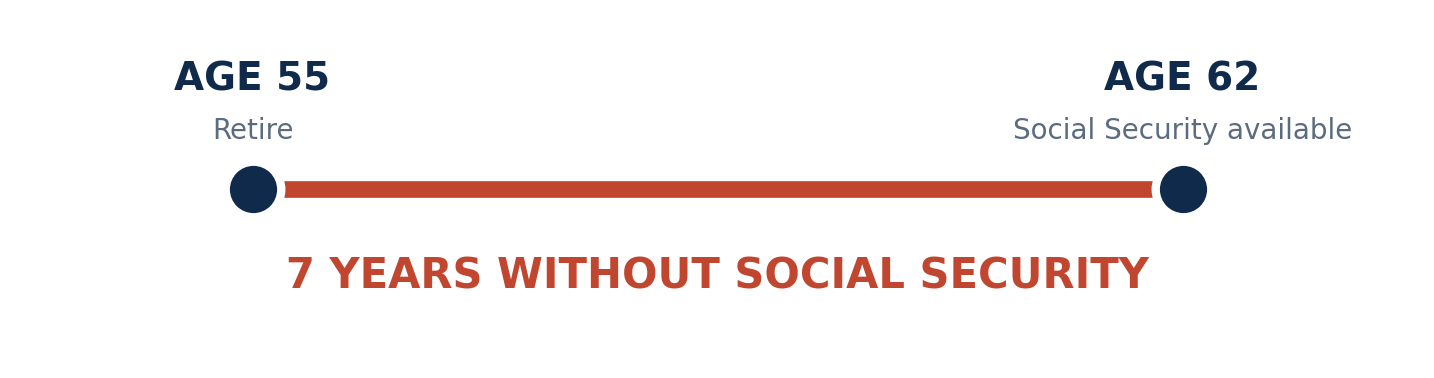
If you retire before 62, there's a stretch with no Social Security at all. Using age 55 as an example of an early retirement date:
These early years can be some of the hardest to fund. The gap is generally covered by some mix of:
403b, 457b, Roth IRA, or other retirement savings
Cutting expenses
Continuing to work in some capacity
Health Insurance Before Medicare
Before Medicare eligibility, health coverage can take a big bite out of a pension. Using illustrative costs:
These figures are illustrative only — costs vary by district, union contract, and plan.
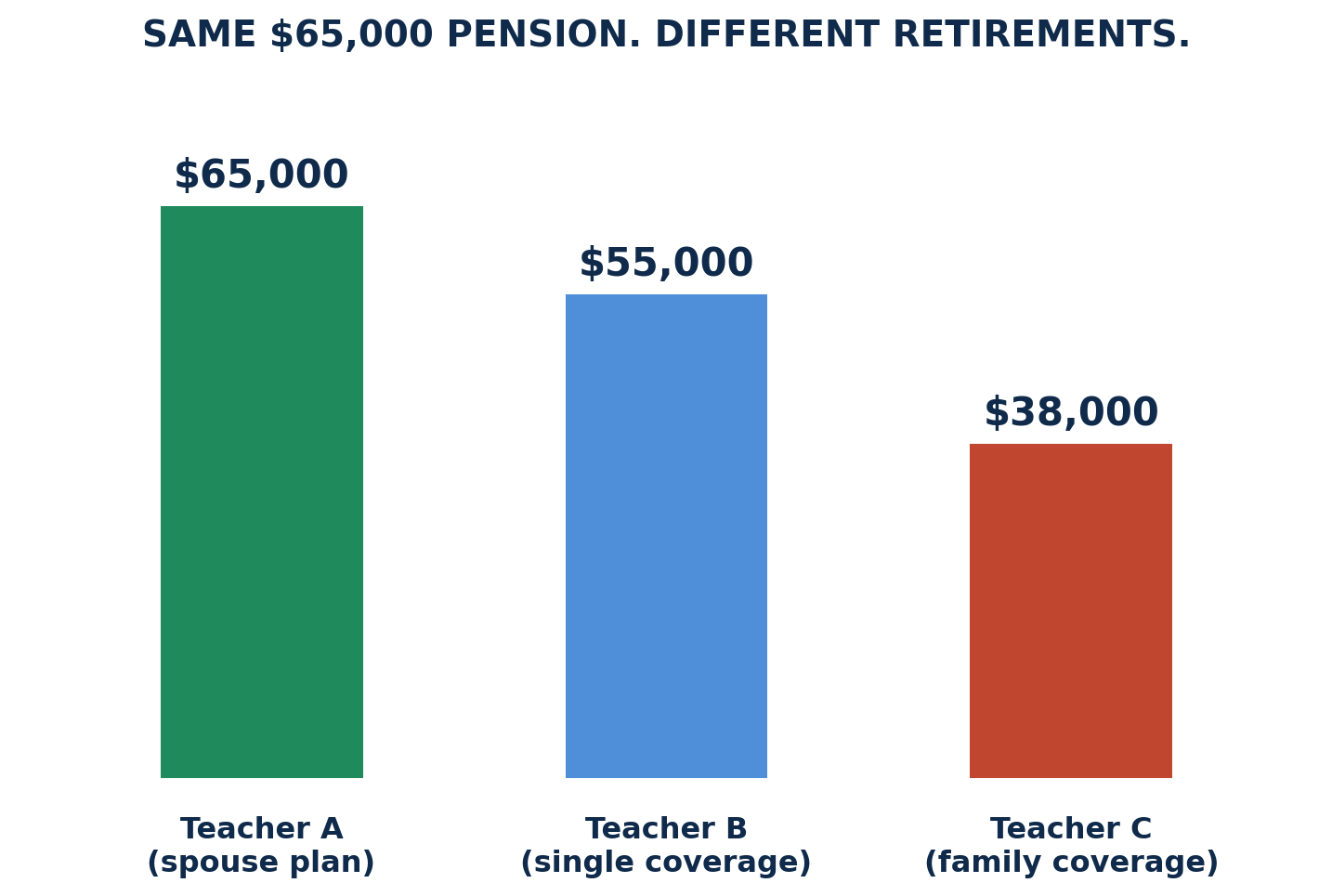
And remember: this is before taxes and every other living expense. Combine family health insurance with the age 55–62 gap, and a $65,000 pension can become as little as $38,000 for several years — before Social Security even starts.
How the Myth Can Actually Become True
This is the most important part. The trick isn't earning more in retirement — it's living on less before retirement.
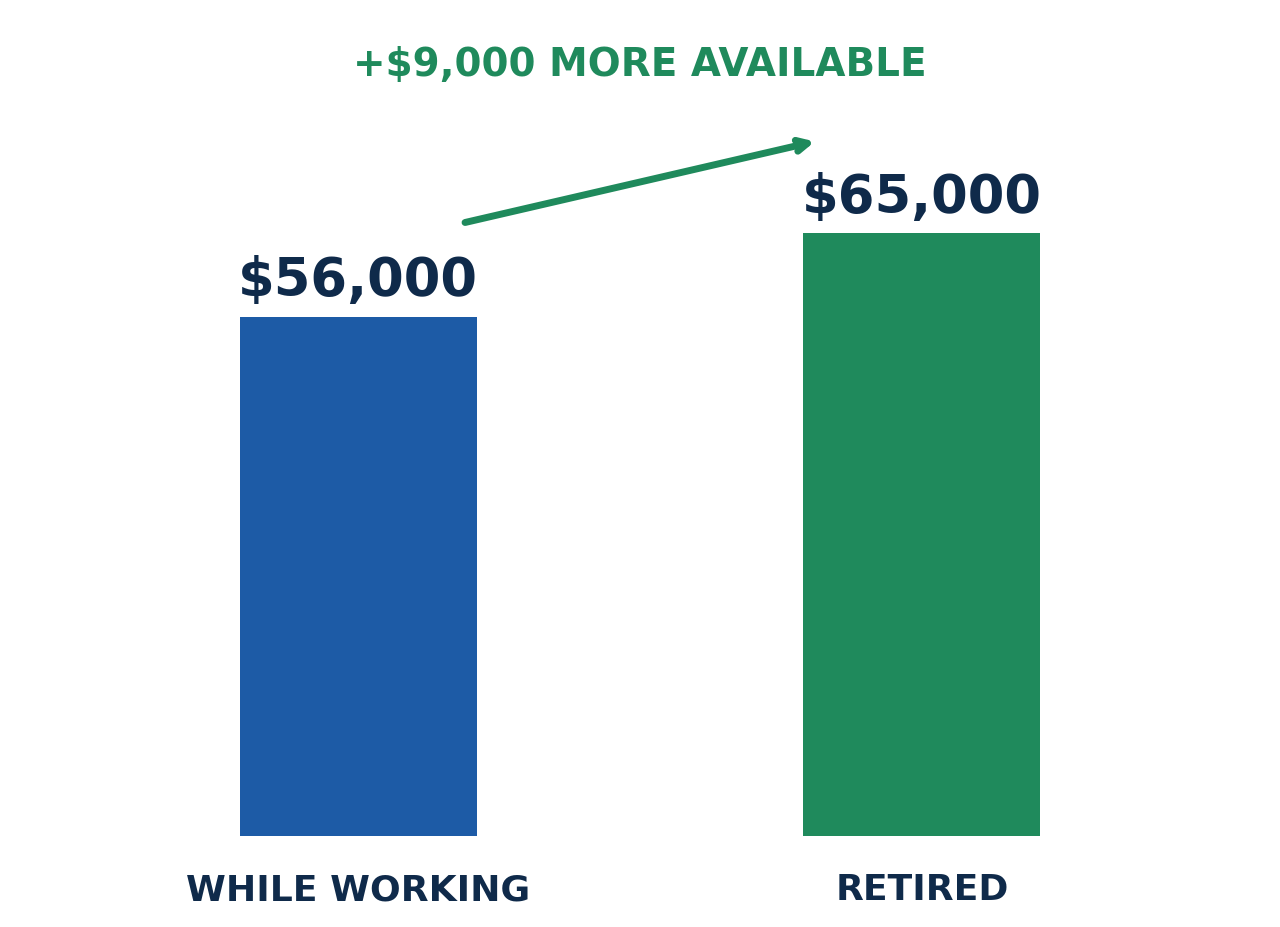
While working (earning $110,000):
− $30,000 to the 403b
− $24,000 in mortgage payments
= roughly $56,000 actually available for lifestyle
At retirement — assume the mortgage is paid off, the teacher no longer contributes to the 403b, and health coverage comes through a still-working spouse's plan.
This is an illustrative example that ignores taxes and other payroll deductions for simplicity.
The teacher didn't actually live on their $110,000 salary. They spent years intentionally living on much less — so when the 403b contribution and mortgage disappeared, the $65,000 pension went further than the paycheck ever did.
Same Pension, Different Retirement
Three teachers, the same $65,000 NYSTRS pension, three very different outcomes:
The pension number alone doesn't tell you whether you're ready to retire — what surrounds it does.
When Your Spouse Doesn't Have a Pension
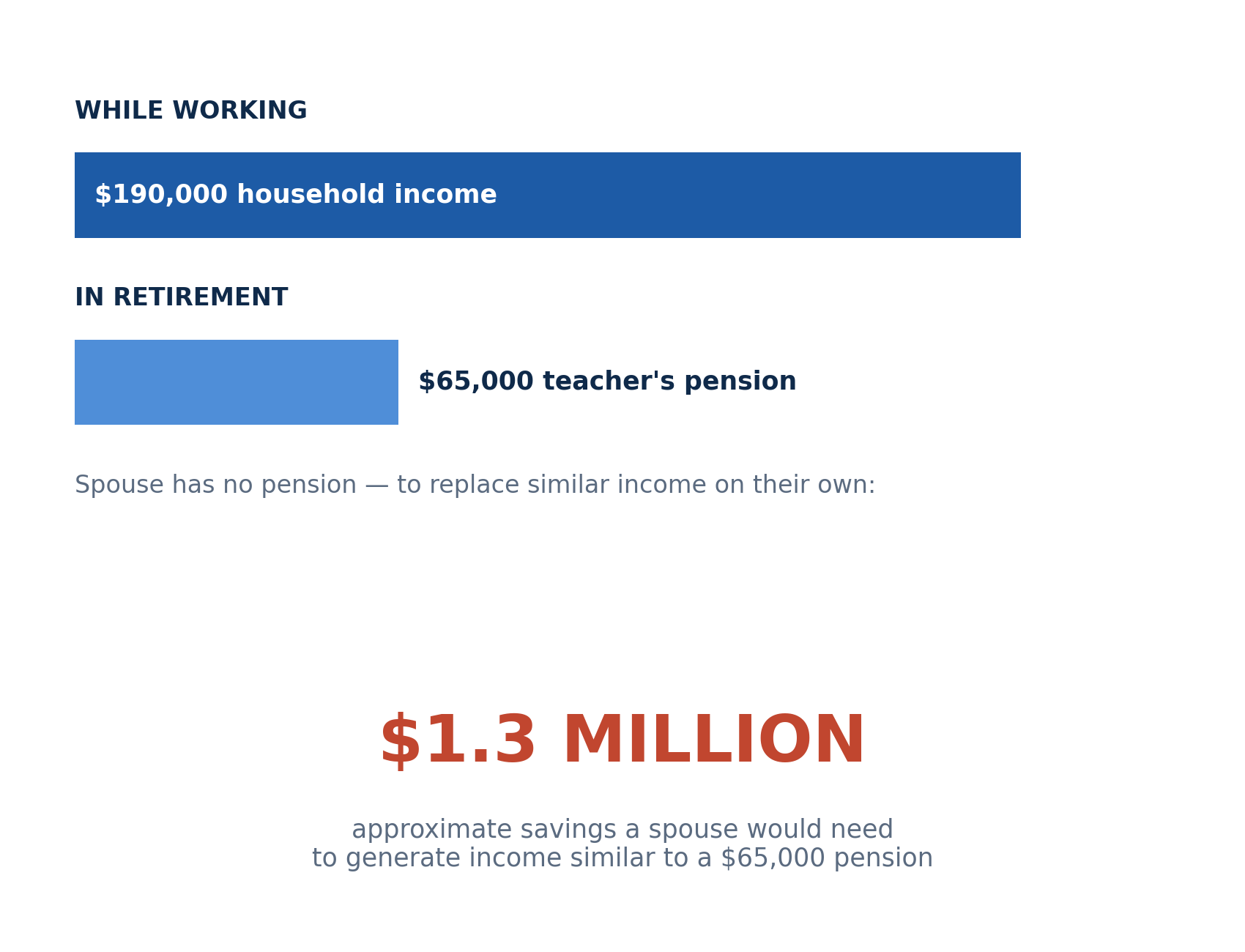
Retirement planning is a household decision. A teacher earning $110,000 and a non-teacher spouse earning $80,000 have $190,000 in working household income. The teacher eventually gets a $65,000 pension — but the spouse has none.
That's a rough illustration of how valuable a pension really is. Without that level of savings, the household is generally looking at a significant reduction in spending once both paychecks stop. One excellent pension doesn't replace two paychecks — Social Security timing, retirement accounts, expenses, health insurance, and both retirement dates all need to be planned together.
The Real Goal
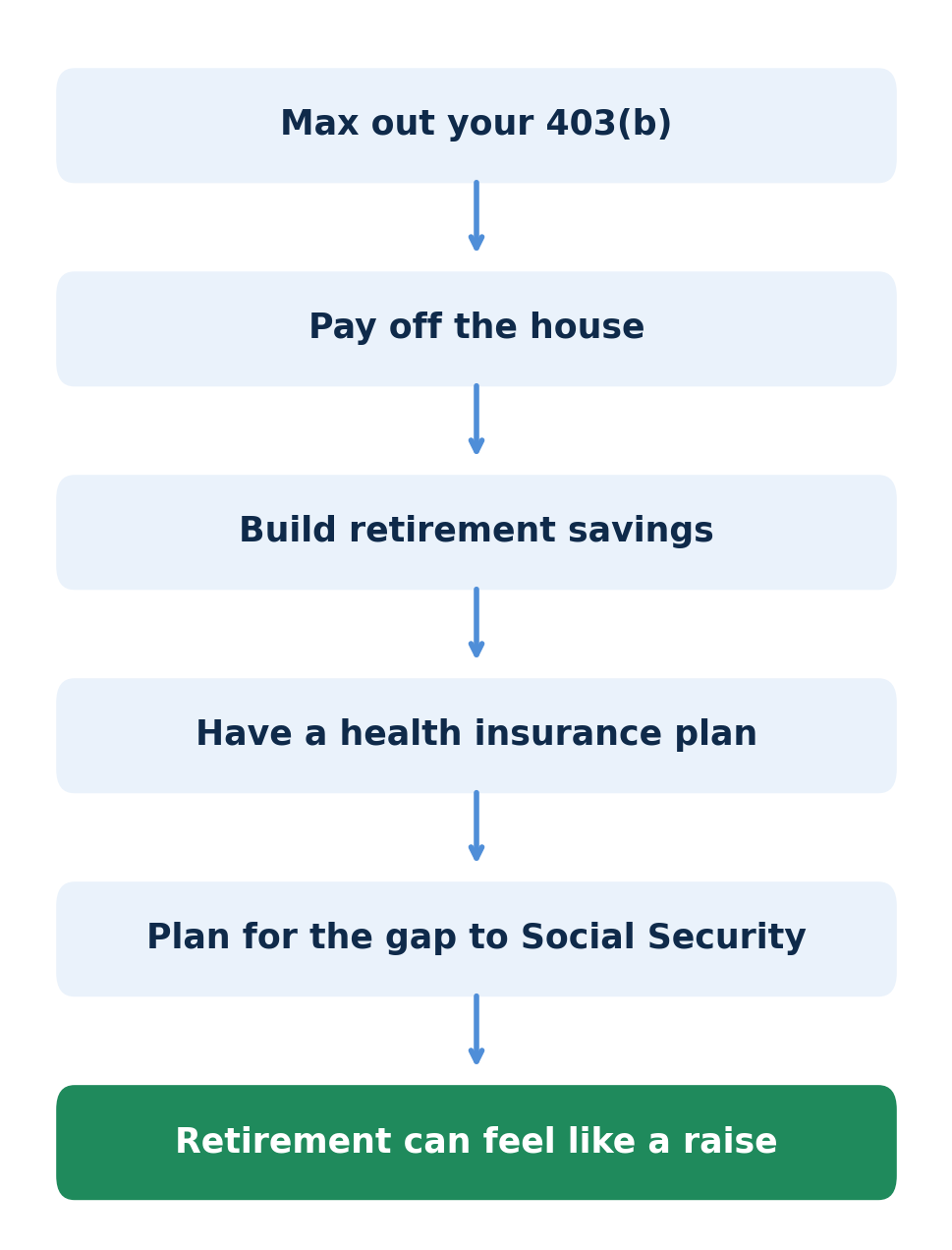
The goal isn't replacing 100% of your final salary. It's making adjustments while you're working so your lifestyle feels the same before and after retirement. Spend too much while working, and retirement brings a big adjustment. Save and pay down debt while working, and you can carry that same lifestyle right into retirement.
You can make less money in retirement…and actually feel like you have more.
This article uses illustrative, simplified examples for educational purposes only. Actual NYSTRS pension benefits, Social Security amounts, health insurance costs, taxes, and personal circumstances vary significantly by individual. Please consult your NYSTRS benefit statement, a financial advisor, and your district's benefits office before making retirement decisions.